Classification of energy sources and their impact on the environment
Energy consumption is related to all types of human economic activity: heating houses, cooking, vehicle movement, industry, agricultural production.
The development of various energy reserves on a global scale has led to an unprecedented increase in the standard of living. Today, people are so dependent on energy that it is hard to imagine how they would survive without it.
We don't think about where the energy comes from until our lights or heating are turned off. If this happens, we cannot fully live or work.
Energy sources are classified as follows:
fossil fuels (coal and oil shale, oil, natural gas);
nuclear and thermonuclear energy;
renewable energy resources (energy of water, wind, sun, thermal waters, wood, peat, etc.).
Energy production significantly affects the state of the environment. Combustion of solid and liquid fossil fuels is accompanied by the release of sulfur, carbon dioxide and carbon monoxide gases, as well as nitrogen oxides, dust, soot and other pollutants. Open pit coal mining, as well as peat mining, lead to changes in natural landscapes, and sometimes to their destruction. Spills of oil and oil products during extraction and transportation can destroy all living things in huge territories (water areas).
The creation of the infrastructure necessary for coal, oil, and gas production affects landscapes, flora, and fauna in a bad way.
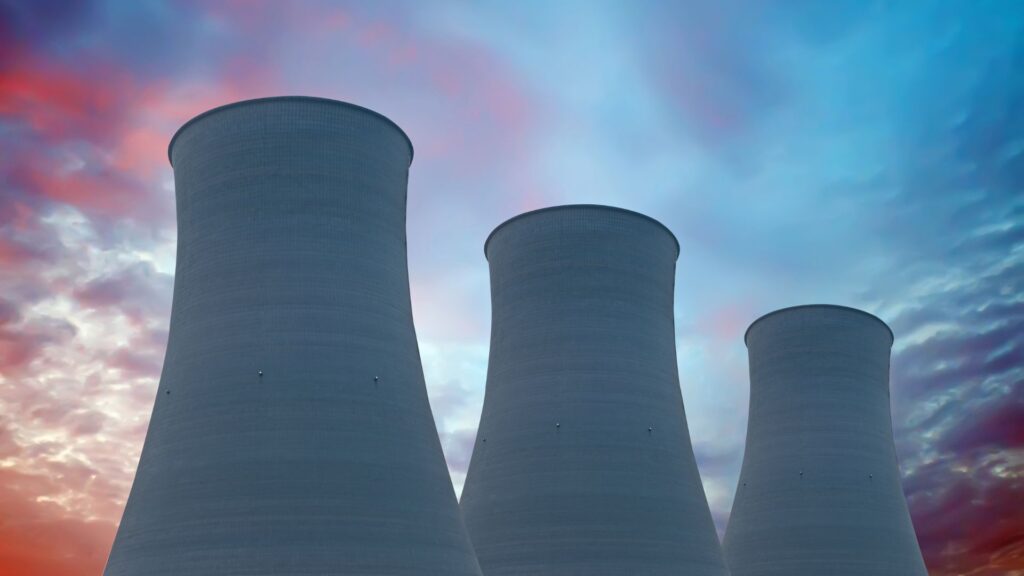
Nuclear energy is potentially dangerous due to possible accidents at power plants accompanied by the release of radioactive materials into the environment. Nuclear waste remains dangerous for hundreds and thousands of years. This topic is especially relevant for Ukraine, which suffered from the consequences of the explosion at the Chernobyl nuclear power plant.
In recent years, politicians and the public have expressed concerns about the worsening of global environmental problems such as acid precipitation and climate change, as well as assessing the effects of these processes on the environment. And although energy can be obtained in more ecological ways, using renewable energy sources (sun, wind, thermal waters, wood and agricultural waste), it is necessary to realize that there is no way of obtaining energy that would not harm the environment at all.
In this situation, energy saving should be considered the most rational solution. It should become a priority in the development strategy of any country, because the reserves of traditional energy sources are limited.
Open pit coal mining leads to changes in the natural landscape and even to its destruction;
Combustion of fossil fuels is accompanied by the release of sulfur, carbon dioxide and carbon monoxide gases, as well as nitrogen oxides, dust, soot and other pollutants;
The use of atomic energy leads to the risk of accidents similar to Chernobyl, which are accompanied by the release of radioactive substances into the natural environment and cause problems of processing nuclear waste and its disposal, which is very expensive and does not have a reliable engineering solution;
Despite the obvious advantages, renewable energy sources can also have a negative impact on the environment. The operation of stations that produce energy using renewable energy sources is associated with the removal of significant land plots from circulation and will probably be accompanied by one or another negative consequences for the environment in the future: landscape changes (windmills, solar panels), increased noise levels (wind turbines), soil pollution (geothermal power plants and biomass plants), harmful effects on other natural resources (tidal power plants). In addition, these power plants usually have a small capacity and cannot be used everywhere (wind turbines, solar batteries, geothermal and tidal power plants, methane tanks).
Links to available sources of information on the environmental impact of electricity generation by all energy sources:http://necu.org.ua/energy/